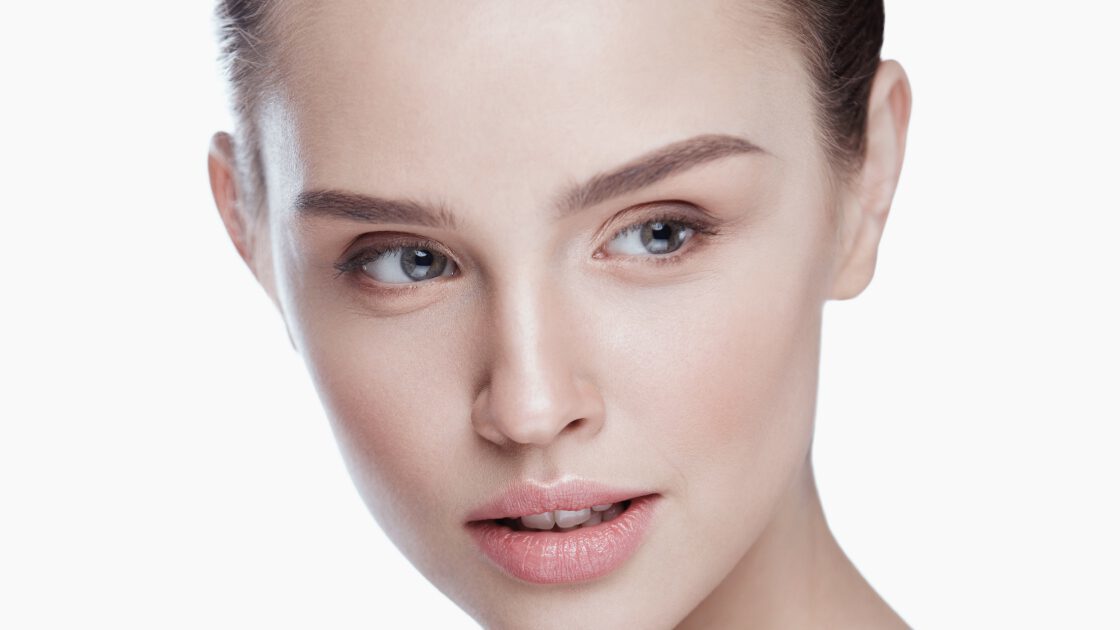
Beauty trends have always reflected the cultural, social, and technological shifts of their time. In the 1920s, flapper culture popularized dark, smoky eyes and cupid’s bow lips, symbolizing rebellion and liberation. Fast-forward to the 1960s, Twiggy’s mod look—defined by graphic eyeliner and pale lips—embodied youthful energy and space-age optimism. The 1990s embraced minimalism with matte skin and brown-toned lips, while the 2010s saw contouring and bold brows rise to fame, thanks to social media. Each era’s signature look tells a story about society’s values, from glamour to grunge, and everything in between.
In addition to packaging, many beauty brands are also exploring ways to use more eco-friendly ingredients. This includes using organic and natural ingredients, as well as sourcing ingredients from sustainable and fair-trade sources. Some brands are also investing in renewable energy and carbon offsets to reduce their overall environmental impact.
Gibor Ladared
Brand History
Today, trends cycle faster than ever, with vintage styles constantly being reinvented. The “clean girl” aesthetic of 2023, for example, mirrors the 1990s’ minimalist vibe but with modern skincare-infused makeup. Meanwhile, sustainability and inclusivity are reshaping the industry, pushing brands to innovate with eco-conscious packaging and diverse shade ranges. As we look ahead, one thing is certain: beauty trends will continue to evolve, blending nostalgia with forward-thinking creativity. Whether you’re a fan of classic red lips or experimental glitter brows, understanding trend history helps us appreciate how beauty remains a powerful form of self-expression across generations.
Hi, this is a comment.
To get started with moderating, editing, and deleting comments, please visit the Comments screen in the dashboard.
Commenter avatars come from Gravatar.